Skip to content
Carbon care.
  • Innovations
  • Outcomes
  • Updates
  • Consortium

Fermentation 2.0 for a circular carbon economy

What if the carbon dioxide we emit today could become the raw material for tomorrow’s medicines, cosmetics, plastics and everyday products?

CarboNcare is developing a new generation of biological manufacturing systems in which microbial growth, product formation, and process stability become intrinsically linked.

Using renewable methanol as a sustainable carbon source, the project explores how future bioprocesses can become more stable, more efficient, and better at retaining carbon within valuable products.

Funded by the European Innovation Council Pathfinder programme, CarboNcare brings together leading European researchers and innovators to explore a new vision for carbon-efficient manufacturing.

A new generation of biomanufacturing

From medicines and cosmetics to plastics and advanced materials, modern life depends on carbon — but most of that carbon still comes from fossil resources.

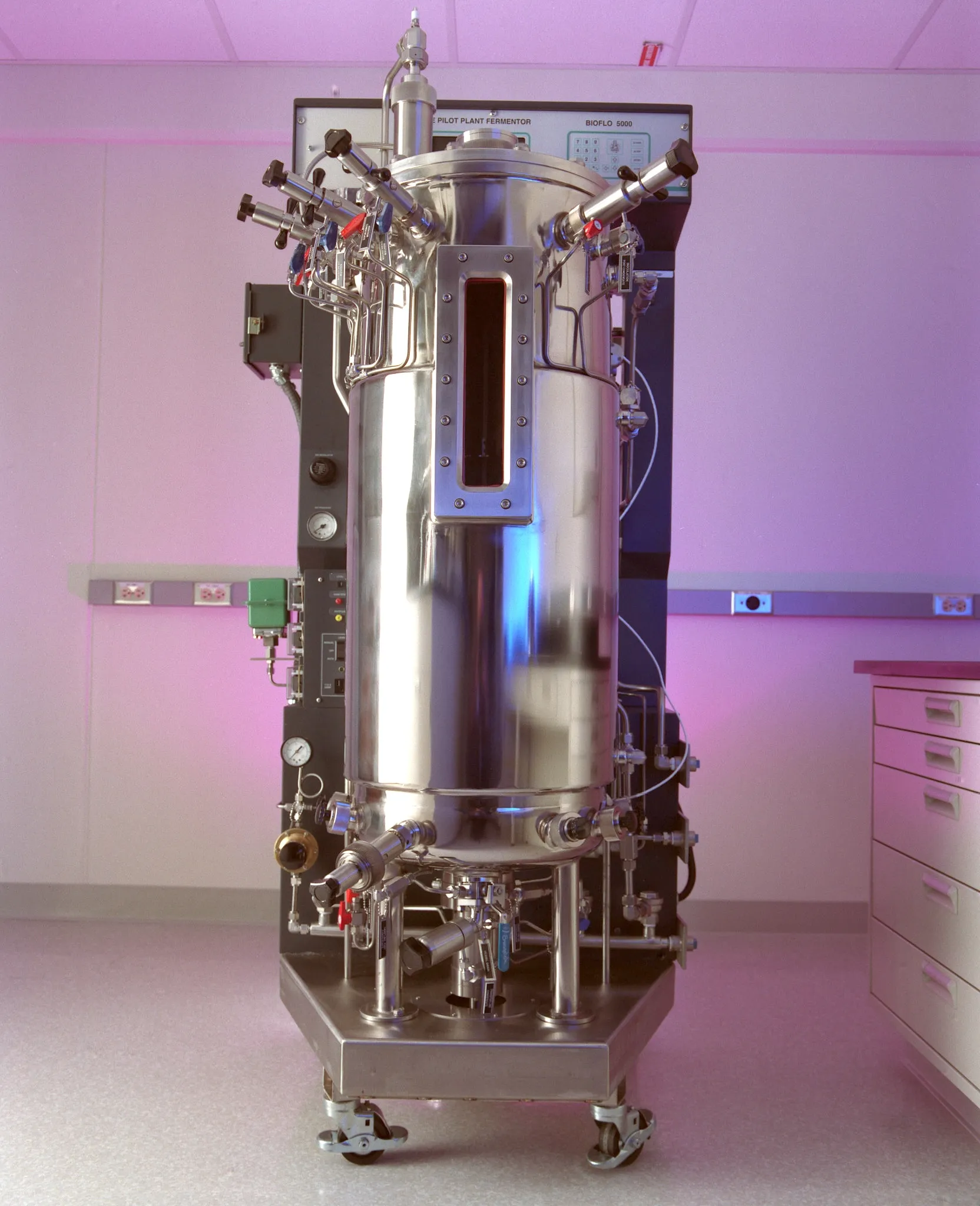
Bioreactor by Pacific Northwest National Laboratory - PNNL is licensed under CC BY-NC-SA 2.0.

Biotechnology offers promising alternatives, but many current biomanufacturing processes face important challenges: they rely on agricultural feedstocks such as sugars, lose a significant fraction of carbon during production, and struggle to maintain performance over long periods of operation.

At the same time, new opportunities are emerging. Carbon dioxide can now be captured and converted chemically into renewable carbon carriers such as methanol, creating entirely new possibilities for sustainable manufacturing.

The challenge is no longer how to capture carbon. The challenge is how to transform it efficiently into the products society needs. This is where CarboNcare begins.

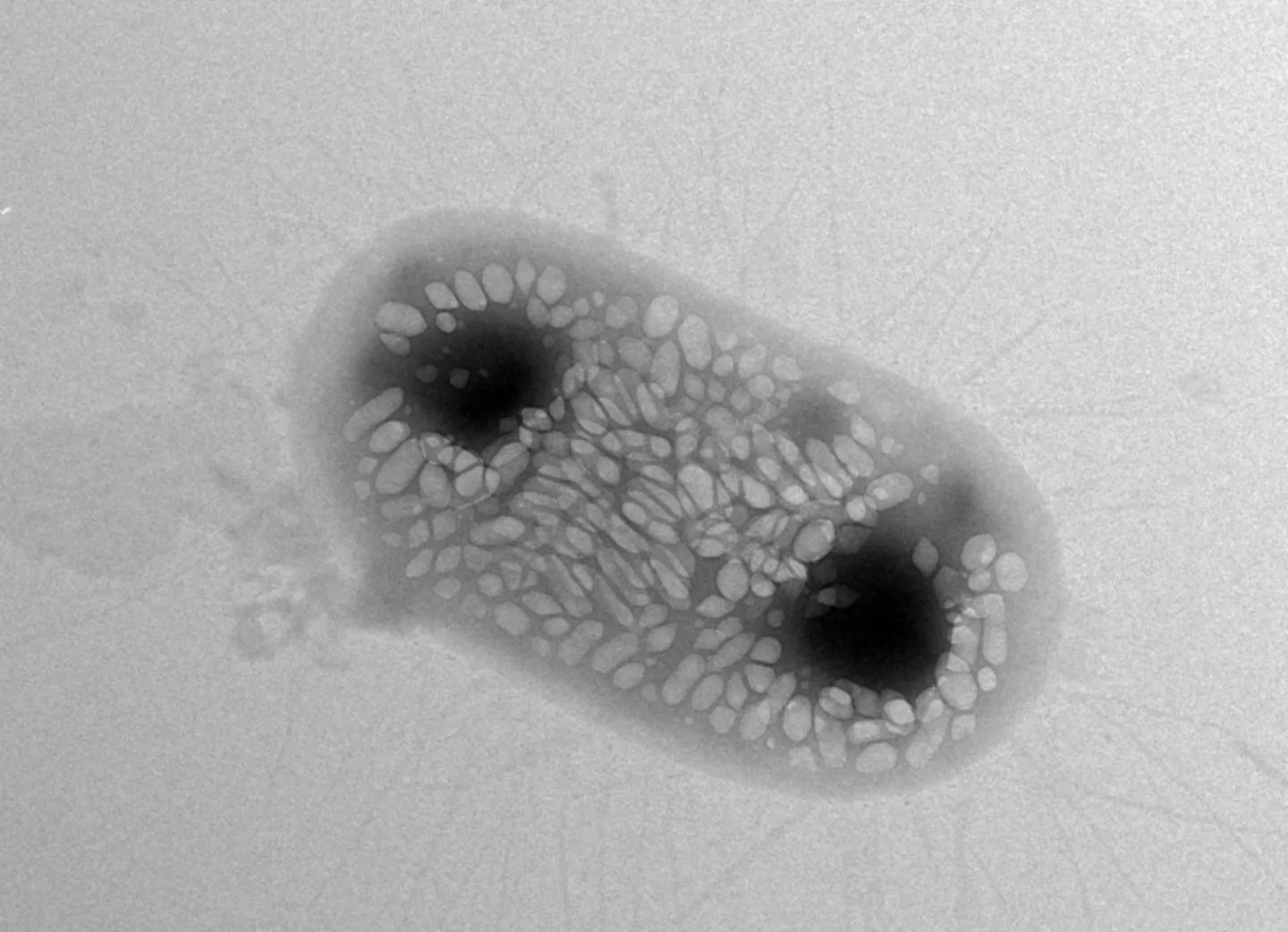
Genetically Engineered E.Coli by National Institutes of Health (NIH) is licensed under CC BY-NC 2.0 .

Closing the loop with innovation

Nature already knows how to convert carbon into molecules. CarboNcare explores how biological manufacturing can be redesigned to use renewable carbon more efficiently, remain productive for longer, and operate continuously.

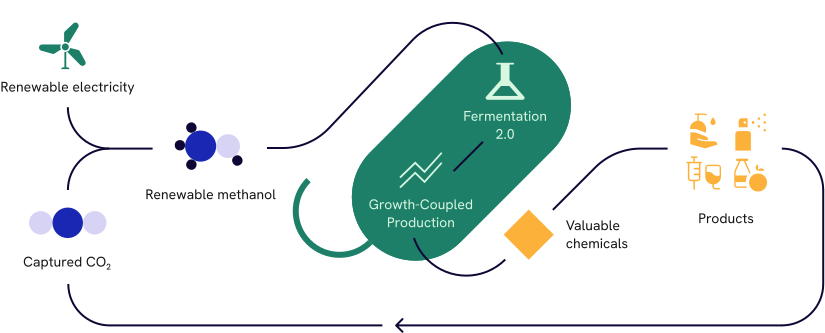
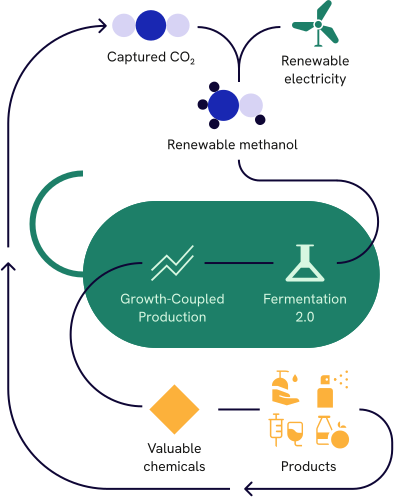
Captured CO2 and renewable electricity are used to produce renewable methanol, CarboNcare will turn into valuable chemicals for medical, cosmetic, and food products using improved fermentation and growth-coupled production methods. The CO2 released from these products can be captured to close the loop.

In the long run, this could enable a true closed carbon cycle — where the CO2 released when a product is incinerated at end of life becomes the feedstock for making it again.

By connecting carbon capture, renewable methanol, and advanced biotechnology, CarboNcare explores how carbon can remain in productive use for longer within the economy rather than being continuously extracted from fossil resources.

Our key innovations

Fermentation 2.0

Unlocking Renewable Carbon

CarboNcare introduces a new fermentation framework that converts renewable methanol into valuable chemicals while reducing carbon losses during production.

This is fermentation, but using a carbon source that adds no cost to Earth.

Growth-coupled bioproduction

Stable production by besign

CarboNcare links microbial growth directly to product formation, helping productive cells remain productive and enabling long-term process stability.

Think of it as aligning the bacteria’s interests with ours.

Continuous manufacturing

The industrial vision

CarboNcare combines renewable methanol and growth-coupled production to create stable manufacturing systems designed for long-term continuous operation.

Stable, efficient, and reliable production.

Eight partners. One mission

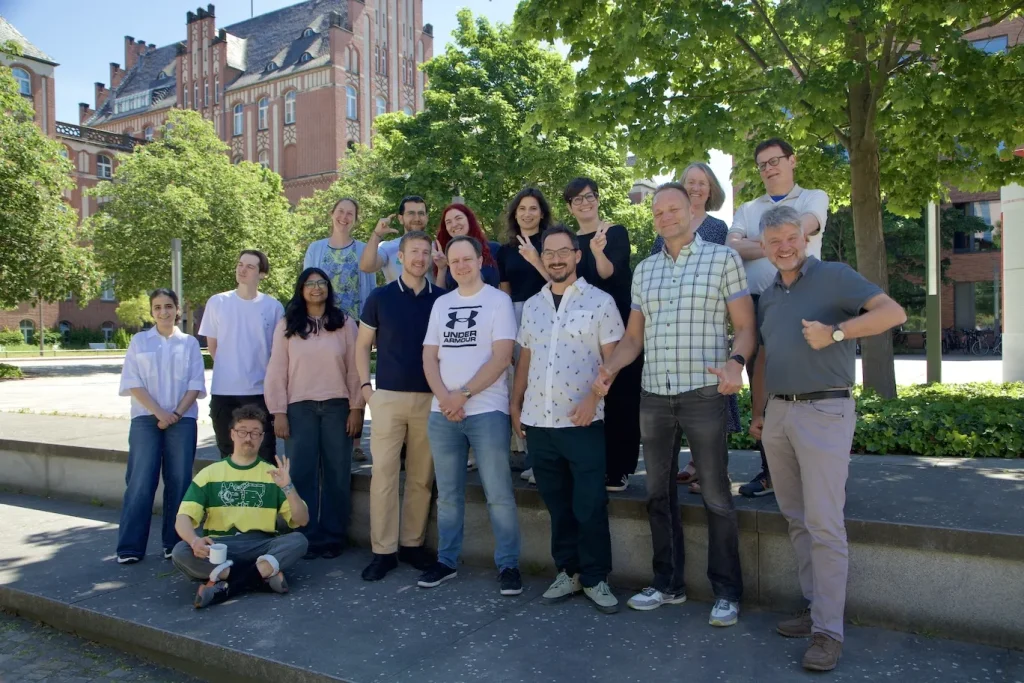
CarboNcare brings together leading European experts in synthetic biology, metabolic engineering, bioprocess design, sustainability assessment, and industrial innovation.

Charité: University Medicine Berlin.

Coordinator, Germany

Max Planck Society.

Germany

DECHEMA: Society for Chemical Engineering and Biotechnology.

Germany

Leiden University.

Netherlands

CEA: French Alternative Energies and Atomic Energy Commission.

France

DTU: Technical University of Denmark.

Denmark

HES-SO: University of Applied Sciences and Arts of Western Switzerland.

Switzerland

In society.

Italy

Carbon care.

Fermentation 2.0 for a circular carbon economy

Project fact sheet

  • Media kit
  • Privacy Policy
  • Accessibility
  • LinkedIn
  • Bluesky

Contact us

info@carboncare-project.eu

This website runs on green hosting. Verified by the Green Web Foundation.
European Innovation Council. Funded by the European Union.

Funded by the European Union. Grant Agreement 101258189. Views and opinions expressed are however those of the authors only and do not necessarily reflect those of the European Union or the European Innovation Council and SMEs Executive Agency (EISMEA). Neither the European Union nor the granting authority can be held responsible for them.